


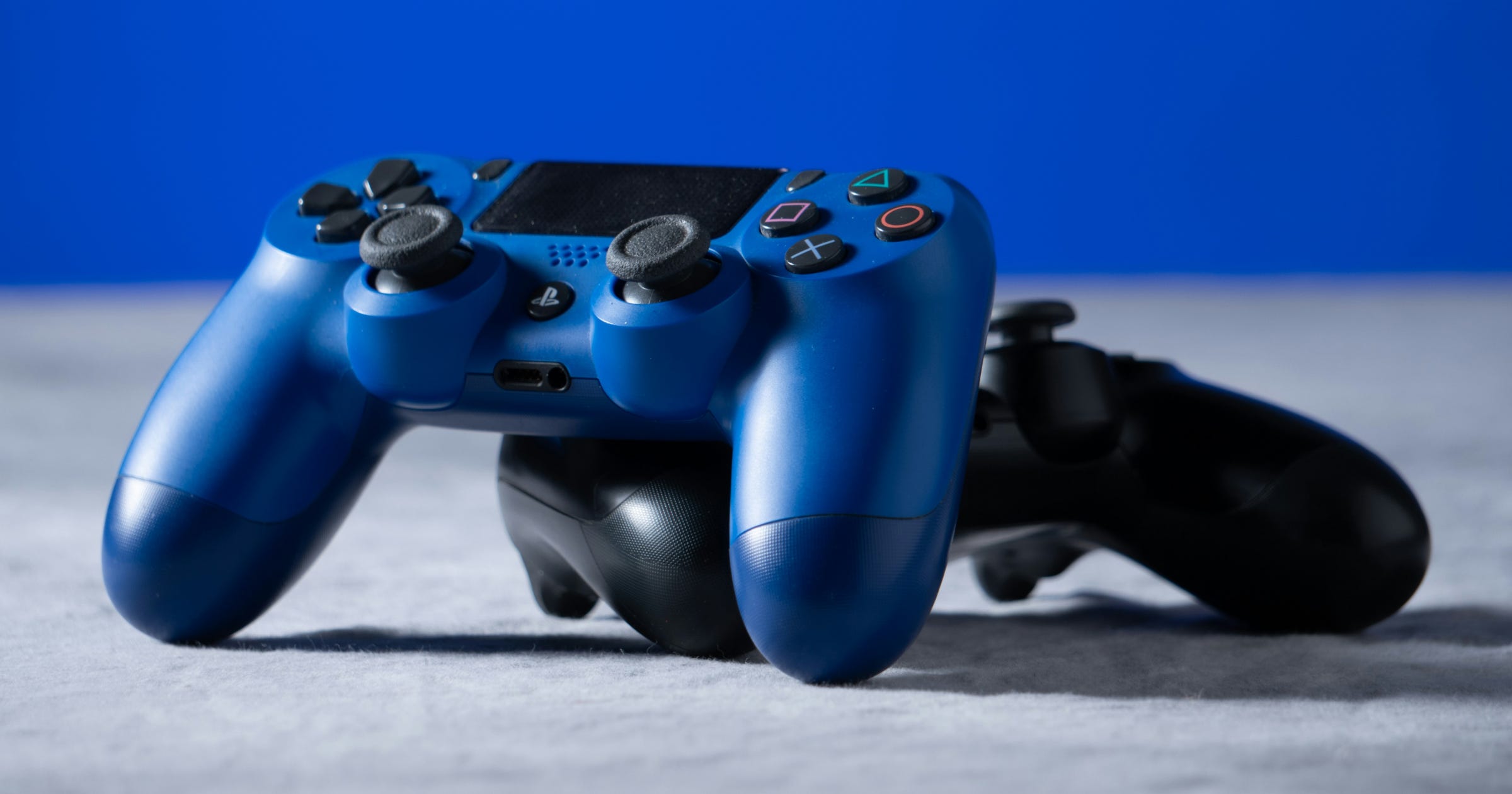
I’ve been a casual gamer my entire life. My very first consoles were a hand-me-down Nintendo 64 and original PlayStation 1. As a 27-year-old today, I can appreciate what games like Goldeneye, Super Mario 64, and Twisted Metal did in their time, and how they were the official start of modern gaming for many people like me. Today, I look back on the heyday of properties like Call of Duty with regret for not truly appreciating the time I grew up in. From Call of Duty 4 all the way to Black Ops 3, I formed distinct memories and genuine friendships that last to this day, thanks to the connections party chats offered.
I was listening to the Summer Game Fest episode of the CCP (The Couch Company Podcast, not the Chinese Communist Party), our favorite gaming hosts brought up rightful concern over the future of gaming, from the uncertainty of consoles to lackluster properties from developers, the concern is more than warranted. As a casual gamer purchasing parts for my first PC, as someone younger, and, lastly, a nerd like so many of us, I finally heard these concerns from intelligent people who want the golden age we have all lived through not to end. Which begs the question, how did we get here, and where are we going?
We all witnessed the console wars at their peak, the days of the Xbox 360 and PlayStation 3. As a lifelong PlayStation user, even I can acknowledge the Xbox 360’s superiority at the time, and I have watched both platforms' victories and defeats over the last 20 years. The sad truth is that the consoles are back to the same problems they began with: “The Confused Identity Problem”. Xbox had the bull by the horns up until the release of the Xbox One. Since their creator, Microsoft, is a tech giant and not a company whose main focus is gaming, they went heavy on the Xbox One, making it an overall entertainment system rather than just a great gaming platform. This led to the adoption of a more Windows-based operating system and aesthetic, which allowed the PlayStation 4 to take the throne as the leading pure gaming console. Sony also capitalized on their highly loved exclusives and, by all evidence, is still riding on them today. Throughout this time, we have had two additional consoles from Xbox (the Series X and S) and PlayStation, adopting an Apple-like model with the release of Pro models (the PS4 Pro and PS5 Pro). With all these consoles, we saw marginal increments of performance increases and some of the same exclusives we know and love, with a few new ones as well. All during this time, the Sleeping Giant of PC gaming was taking its greatest strides.
As I mentioned earlier, I’m a casual gamer entering the PC space. I don’t even have a PC yet, and I’m already a full-blown nerd when it comes to the performance I want, the trade-offs of certain parts for longevity, and the price tag associated with having a good casual experience today. My profession is Finance, and just like watching the markets, keeping an eye on inflation, witnessing geopolitical landscapes that affect the U.S. economy, I see the writing on the wall. Unfortunately, the writing I’m seeing says consoles will cost more than $1,000 in the near future. In my opinion, this is inevitable. The average cost of a cell phone is over $1,000, and that’s thanks to Apple’s release of the iPhone X in 2017. This $1,000+ price tag has been the case for flagship phones ever since. But why must this happen to consoles? The answer is simply to keep up with performance. Today, multiplayer games no longer have dedicated servers for console players. Instead, they use shared servers with PC gamers, which means my sub-60-frame performance cannot keep up with the 200-plus-frame performance of PC elites. This may sound like whining about poor performance; however, it has completely changed the play and the competitiveness for average players simply trying to enjoy themselves.
Which brings me all the way back to “The Confused Identity Problem” that consoles are facing today. Xbox has been the only giant to acknowledge this problem through its HELIX Project. An Xbox that is conjoined with PC performance. Xbox has also taken steps beyond a new console, attempting to join the Steam marketplace with the console experience. This makes me cry on the inside as a lifelong PlayStation user. Part of the reason PCs even became an option for me is simply that there are many indie titles I miss out on as a console-only gamer. It’s painful to wait a few times a year for a new cross-platform title to release on consoles, which, more often than not, are buggy when it comes to cross-platform connectivity. John Carpenter’s Toxic Commando is a perfect example of this problem I’m talking about. With this struggle, PlayStation’s answer to these problems seems to be to rely on exclusives, and even as a casual gamer, that is not enough for me.
The final problem that gamers face in the future is not the cost of gaming or the lack of platforms and titles available to all, but ourselves. Among the younger generation of gamers, attention spans have been eroded by the inundation of social media and clip consumption, which means they are getting sick and tired of games that do not keep offering more content for the sake of replayability. These same gamers are also the ones who are most vocal in their criticism of game development choices, especially when it comes to the risks actually taken. Because of this, developers are rightfully hesitant to take those chances and attempt to make new titles or games for a more niche market. Hopefully, as time goes on, this problem will ease as younger gamers mature, becoming adults who will now have to rely on their own money to purchase such products. Given that the majority of gamers are already in their late 20s and early 30s, I think this is an overlooked detail. Companies need to realize that the younger generation that makes all the noise is not the one feeding their bottom line. Which is why, for those of us who actually love and appreciate games, we need to make the most of what we have and what we will get in the future. All this to say that PC players have invested thousands of dollars in a superior gaming experience that has become the norm. Despite all these issues, we do live in a time when gamers can help reshape the industry. Hopefully, the future for us is filled with more risk and innovation that will result in better gaming experiences for casual and hobby gamers alike.
